Skip Navigation
We use cookies to offer you a better browsing experience, provide ads, analyze site traffic, and personalize content. If you continue to use this site, you consent to our use of cookies.
NEA Issue Explainer

Rural Schools

Schools in rural areas need reliable and sustained funding to provide students with the support, classes, activities, and technology that will ensure a well-rounded education.
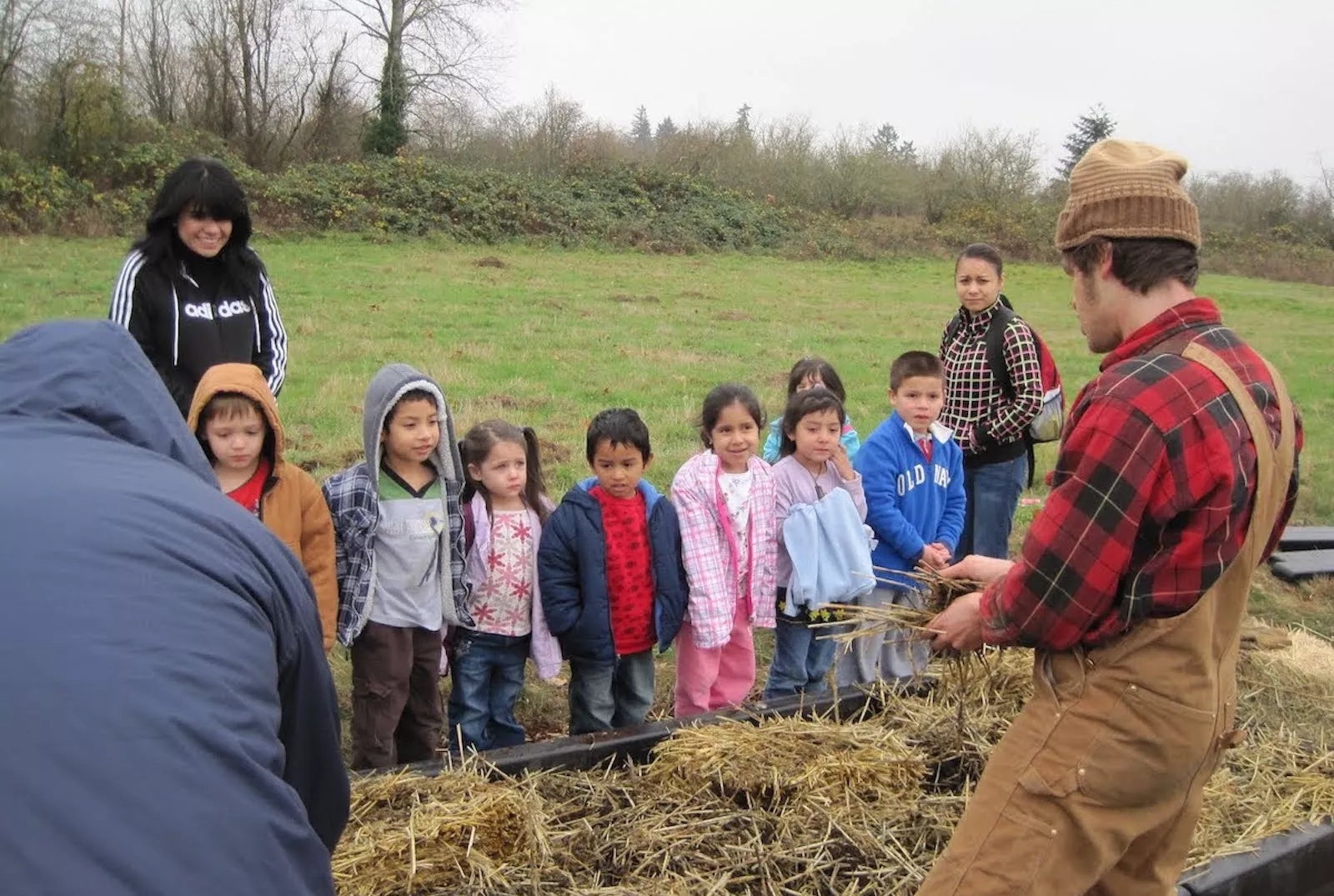
farmer and students National School to Farm Network
A farmer with students.
Published: November 13, 2026
This issue explainer originally appeared on NEA.org

Nearly one in five U.S. students attends a rural school. More than 7 million students are enrolled in rural school districts, and another 2.5 million attend rural schools in districts that are not classified as entirely rural. 

All students in public schools deserve the same opportunities to learn and thrive. But too often, rural school districts are under-resourced, leading to challenges in meeting student and community needs. We must ensure that rural public schools have the funding, programs, and staffing needed to provide a well-rounded education that supports student success. 

Federal programs such as Secure Rural Schools (SRS) and the Rural Education Achievement Program (REAP) are essential to many rural communities. Policymakers should strengthen and sustain these investments so that every student, regardless of ZIP code, can thrive. 


Speak Up For Students and Public Schools

When we act together and lift our voices together in unison, we can improve the lives of children.
Members march down the street wearing red and carrying signs.

Together we're stronger. Together we're heard.

You belong in the movement! Join today to belong to the movement of educators and school staff fighting for the pay and working conditions we all deserve.
Oregon Education Association logo

Keeping the Promise of Quality Public Education

The Oregon Education Association (OEA) is a union committed to the cause of providing the basic right of great public education to every student. OEA represents about 41,000 educators working in pre-kindergarten through grade 12 public schools and community colleges. OEA’s membership includes licensed teachers and specialists, classified/education support professionals (ESPs), community college faculty, retired educators, and student members. OEA members also belong to the 3.2 million members of the National Education Association (NEA).