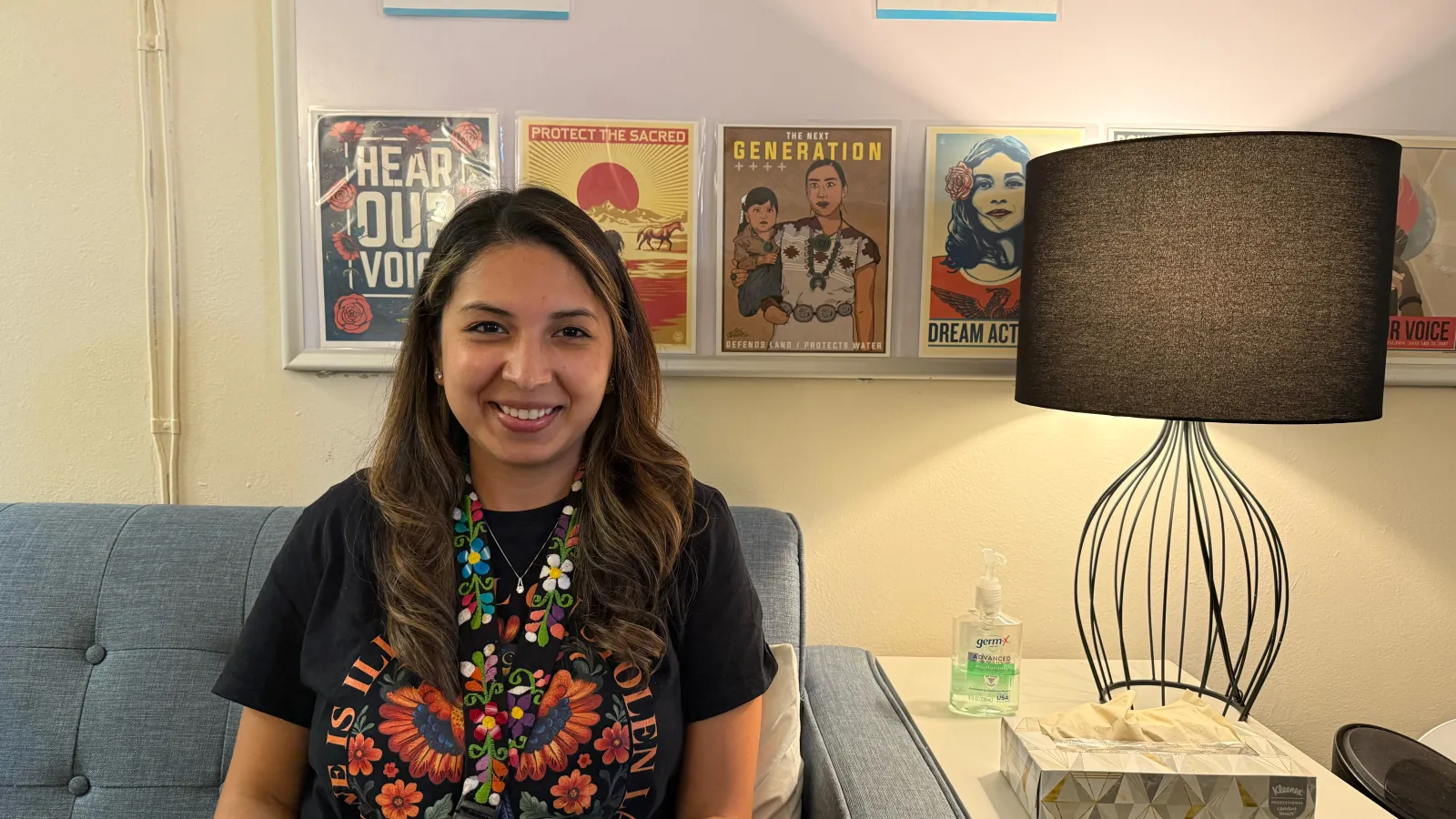
At James John Elementary in North Portland, school social worker Yaneira Romero-Torres has become more than a familiar face in the hallway – she’s a lifeline. As fears of immigration enforcement and potential ICE activity rise among local Latine families and students, Romero-Torres has stepped into a role that blends crisis responder, community organizer, educator, and advocate. Her guiding purpose, she says, is simple: “I’m a bridge to resources — an advocate for anything that’s preventing a student from being successful in school.”
Romero-Torres’ journey into school social work began long before she became an educator in Portland Public Schools. After graduating from the University of Portland and later earning her Master’s of Social Work at Portland State University, she worked with Latine community organizations, domestic violence programs, and mental health services that primarily served undocumented adults. It was during the early days of the Trump Administration that she witnessed the deep trauma caused by immigration enforcement – clients being picked up at courthouses against their will, entire communities living in fear, and the rising presence in sanctuary cities. “It was so hard to hold the stories of our undocumented community members, and knowing the fear that they faced in isolation,” Romero-Torres says.
After the passage of the Student Success Act in 2019, PPS expanded its school social work program – building the roster from five to 30 social workers over the course of a school year. Romero-Torres finally stepped into the school role she had long envisioned. But almost immediately, amid a pandemic and ongoing instability, her work shifted into crisis response. From her home office during lockdown, she spent much of her time calling families to ask what they needed. The answers were simple but profound: rent assistance, food, utilities, and emotional support.
Building Safety in a Climate of Fear
Over the past year, as Portland has drawn national attention for heightened immigration enforcement activity, the fear among families has intensified. Parents began calling Romero-Torres to ask if it was safe to pick up their children, or would arrive before dismissal to avoid approaching the building in the afternoon.
For Romero-Torres, responding meant expanding her work beyond her job description. As soon as she anticipated changes in national immigration policy, with the support of Portland Association of Teachers, she began organizing Know Your Rights trainings, family preparedness planning sessions, and workshops in collaboration with community partners like the Latino Network, Pueblo Unido, and local neighborhood organizers. She and the group Worth Fighting for St. Johns, made up of school parents and local advocates, hosted events in schools, churches, and community spaces. They arranged for Akateko interpretation so Indigenous Guatemalan parents could ask questions and create safety plans in their own language.
Perhaps most significantly, Romero-Torres and her colleagues organized volunteer security, made up of trained community observers, to ensure gatherings felt safe. Because public advertising could put families at risk, their group relied on phone calls and personal invitations. And even still, they reached over 100 families through last year’s events.
Creating Affinity, Belonging and Joy
Romero-Torres’ work is not solely crisis intervention. Last year, she launched a Latine Student Affinity Group, a lunch-time space where students from 3rd to 5th grade could gather, find connection, and talk openly about their fears — or choose not to. She had nearly 75 students participate across the three grades.
“I ask them, ‘Do you want to talk about this, or do you want to play?’” she says. “They’ll say, ‘Let’s just play.’ So we celebrate being with one another and give them a break from what’s on their minds.”
Over the last month, Romero-Torres has been working closely with the school’s PTA to offer weekly food boxes delivered to homes, ride shares for families, and migra watch at morning drop off and afternoon pick ups. Her familiar presence has grounded families in knowing school is a safe place to be for their students.
Community Connection as Protection
Romero-Torres is also helping other school social workers organize in response to the fears rippling across the District. It’s all part of a broad-scale effort by PAT members to build community in scary times. This fall, the union hosted several Neighbor-to-Neighbor community rallies and canvasses to share ‘Know Your Rights’ info door-to-door with neighbors most at risk — another example of how members are engaging in the union to support their students beyond classroom doors.
Romero-Torres has seen firsthand how collective action can lead to policy change. She became active in the union after advocating for bilingual stipends and support for racial equity mentorship. PPS educators, in partnership with PAT, successfully secured a policy outlining protections for undocumented students – something not every district has. “On the ground, we’re doing the day-to-day work, but this is all about policy – what we can demand together to support our families,” she says.
A Model for Supporting Students
Even educators who don’t come from a social work background can be instrumental in creating warm, safe spaces for our immigrant families. It begins, as Romero-Torres explains, with a fundamental goal: build relationships. Call home not only when something is wrong, but simply to connect. Learn who trusted local community organizations are. Create opportunities for families to feel welcomed and seen.
Above all, she says, educators can recognize the quiet courage their immigrant students carry into school each day.
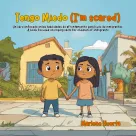
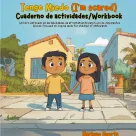
Her students — joyful, worried, and resilient — come to her office to read Tengo Miedo, a book she uses to help them learn coping skills and name their feelings. They come to the affinity group to laugh, to talk, and to feel like they belong.
And their families, despite fear, continue to show up for the workshops, call to ask questions, and make plans around their children’s safety.
Because in Romero-Torres, they know they have someone firmly in their corner—a bridge, an advocate, and a trusted educator who sees them fully.
Yaneira's Recommended Resources for Supporting Immigrant Students